From Liberty Bell to Mobile Reels: A Short History of Slot Machines
How slot machines evolved from Charles Fey's 1890s Liberty Bell to video slots, online games and today's mobile slots played across the Philippines.
21+ only. This guide is for adults where real-money gaming is legal. AI-assisted content, reviewed by the author.
The slot online games on your phone have a surprisingly long family tree. Knowing it helps you understand why slots look and work the way they do.
1890s: the Liberty Bell
San Francisco mechanic Charles Fey built the Liberty Bell, a three-reel machine with horseshoes, spades, hearts, diamonds and a cracked bell. Line up three bells for the top prize. Every classic 3-reel slot today descends from it.
1900s to 1940s: fruit, gum and bars
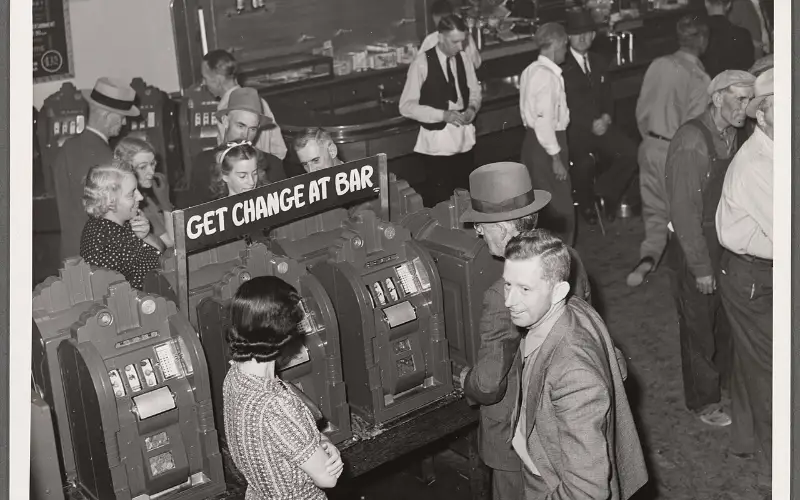
When cash prizes were banned in many places, machines paid in fruit-flavoured gum. That is where cherries, lemons and the "BAR" logo came from. The photo above, taken in Las Vegas around 1940, shows how social slot play already was.
1960s to 1970s: electromechanical and video
Electric motors allowed bigger hoppers and multi-coin bets. In the 1970s, the first video slots replaced physical reels with a screen, opening the door to bonus features.
1980s to 1990s: the RNG and online casinos
Microprocessors and random number generators made every spin independent, the principle explained in our RTP and volatility guide. By the mid-1990s, the first online casinos offered slots on home computers.
2010s to today: mobile and the Philippines
Smartphones turned slots into pocket games. In the Philippines, regulated land-based casinos in Manila, Cebu and Clark were joined by licensed online platforms overseen by PAGCOR. Asian-themed hold-and-win games, fiesta designs and peso-friendly minimum bets made slots one of the most popular forms of gaming among Filipino adults.
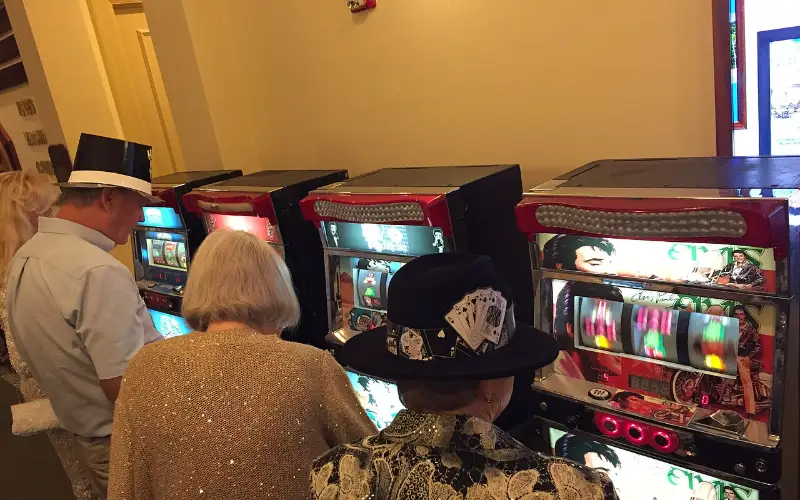
Japan's pachinko and pachislot culture also influenced the bright lights and fast animations you see in many Asian slot titles.
What history teaches players
- The machine's look has changed constantly; the house edge never has.
- Features got more exciting, which means budget discipline matters more, not less.
- Regulation exists to protect players, which is why we only recommend licensed sites.
Want to try a modern spin on the classic three-reel? Play our free Lucky Reels demo, or explore today's slot game types. Look up any term in the glossary.
Frequently asked questions
Who invented the slot machine?
Charles Fey, a mechanic in San Francisco, is credited with the Liberty Bell machine in the 1890s, the template for modern three-reel slots.
When did online slots start?
Online casinos and slots appeared in the mid-1990s as the internet spread.
Why are slots called fruit machines?
Early machines paid out in fruit-flavoured gum to get around gambling laws, so fruit symbols became iconic.
Laro lang, hindi hanapbuhay.
Slots are entertainment, not income. Only adults 21 and over may play real-money games in the Philippines. Set a peso limit before you spin and stop when it is gone. Need help? Read our responsible gaming toolkit or call the NCMH crisis hotline 1553.
Related guides

Classic, Video, Megaways or Jackpot? Types of Online Slots Compared
Compare classic 3-reel, video, Megaways, cluster pays, hold-and-win and progressive jackpot slots: how each works, volatility and who it suits.
What Are Slot Online Games? The Filipino Beginner's Guide (2026)
A plain-language guide to slot online games for Filipino players: how reels, paylines and RNGs work, what RTP means, and how to start safely at 21+.

Playing Slots on Your Phone: 10 Mobile Tips for Filipino Players
Ten mobile tips for slot online games in the Philippines: data usage, battery, safe app downloads, screen-time limits and protecting your account.